



















By Shelly Harris RN
As we move into the warmer months and begin freshening up our homes and routines, it’s a good time to think about simple ways to support our health. One topic that’s getting more attention is our everyday use of plastics—especially in the kitchen.
Plastic has become part of daily life. From food storage containers to water bottles and freezer bags, it’s convenient and affordable. In recent years, many products have shifted to “BPA-free” materials, which is a positive step. Still, researchers continue to study how plastics behave over time, particularly when exposed to heat, cold, and repeated use.
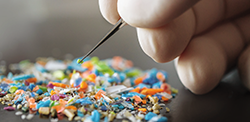
You may have heard discussions about tiny plastic particles—often called microplastics—being found in the human body. While the long-term health effects are still being studied, there is growing interest in how these particles may interact with our systems. This isn’t a reason to panic, but it is a reminder that small, thoughtful changes in our daily habits can make a difference over time.
One area that often gets overlooked is the kitchen cutting board. Many households use plastic boards every day, but over time—especially with serrated knives—those surfaces can become worn and scratched. It’s reasonable to think that small bits of material may end up in food during regular use. A simple and affordable switch to wooden or bamboo cutting boards can help reduce that risk. These are easy to find at local dollar stores and are often available for just a few dollars.
Here are a few easy steps to consider:
Switch to glass or stainless steel for storing food and drinks when possible, especially for hot items
Avoid heating food in plastic containers in the microwave
Use wooden or bamboo cutting boards instead of plastic ones
Use reusable containers and bags instead of single-use plastics
Consider filtered tap water (such as a pitcher system) instead of bottled water
These changes don’t need to happen all at once. Even choosing one or two areas to adjust can help reduce exposure and support a healthier home environment.
As with many areas of health, balance is key. Plastics are not going away entirely, but being mindful of how and when we use them is a practical step forward. By making small changes today, we can support our well-being in the long run—for ourselves and our families.
This column offers general health information. For advice specific to your needs, please speak with your primary care provider.
www.canada.ca